
The landscape of vaping is changing fast as new bans and restrictions are being introduced globally in 2025. Whether you’re a long-time vaper, a casual user, or a retailer, it’s crucial to stay informed about the shifts in laws and regulations. In this article, we’ll dive into where these changes are happening, what they mean for the community, and how the industry is preparing for the future. As vaping continues to grow in popularity, governments are taking action to regulate it more tightly, sometimes leading to confusion — and heated debates — similar to those around tobacco regulations.
Let’s break down what’s happening around the world and what vapers can expect moving forward.
New Regulations & Their Impact
In 2025, several countries and U.S. states have rolled out or proposed vaping bans and new restrictions. These measures range from limiting flavors to completely banning vape sales in certain areas.
Countries & States Implementing New Bans
- United States: States like California, New York, and Massachusetts are expanding flavor bans and setting stricter limits on nicotine content.
- Australia: The government plans to fully outlaw disposable vapes and require prescriptions for all vape products.
- United Kingdom: New flavor and marketing restrictions are under consideration, particularly aimed at reducing youth vaping.
- Canada: British Columbia and Quebec are introducing higher taxes and advertising bans.
Interestingly, similar debates are happening elsewhere. For example, New Zealand’s government is working toward a stricter vape licensing system.
These changes highlight a global trend toward tighter regulation and raise important questions about personal freedom, public health, and business viability.
What These Laws Mean for Consumers & Retailers
For consumers:
- Limited access to flavored products.
- Potential rise in black market and DIY vape solutions.
- Higher prices due to taxes and compliance costs.
For retailers:
- Stricter ID verification and sales monitoring.
- Inventory challenges with flavor and device restrictions.
- Need for legal adaptation and possible market shrinkage.
Retailers, especially those operating both online and offline, must now invest in compliance systems and education for customers, much like what the cannabis sector faced after legalization in some U.S. states.
The Push for Flavored Vape Bans
One of the hottest topics in vaping legislation is the move to ban flavored products, which are often accused of appealing to young users.
Why Lawmakers Are Targeting Flavors
Lawmakers argue that sweet, fruity, and minty vape flavors entice teenagers and young adults, leading to early nicotine addiction. Studies, such as those reported by the Centers for Disease Control and Prevention (CDC), back up these concerns, showing a strong correlation between flavor popularity and youth vaping rates.
Popular flavors under scrutiny include:
- Cotton candy
- Mango
- Blueberry ice
- Bubblegum
While these flavors are loved by adult users as well, governments see limiting them as a way to curb youth vaping, even if it means frustrating adult consumers.
How Brands Are Adapting
Brands aren’t sitting still. Many companies are:
- Developing tobacco and menthol-flavored alternatives.
- Pivoting toward non-nicotine products like CBD and herbal vapes.
- Innovating in hardware to comply with new safety and marketing regulations.
Smaller vape shops are also forming alliances and legal groups to challenge or adapt to these bans. It’s a moment of significant industry evolution — not unlike how music streaming companies had to adjust rapidly to changes in copyright laws.
The Future of Vaping Regulations
Looking ahead, the future of vaping is both uncertain and exciting. Regulation is forcing the industry to evolve, and while some doors close, new opportunities open.
Industry Predictions & Trends
Here are some trends and predictions that experts believe will shape vaping beyond 2025:
- More medical oversight: Prescription-only models could become common in countries like Australia.
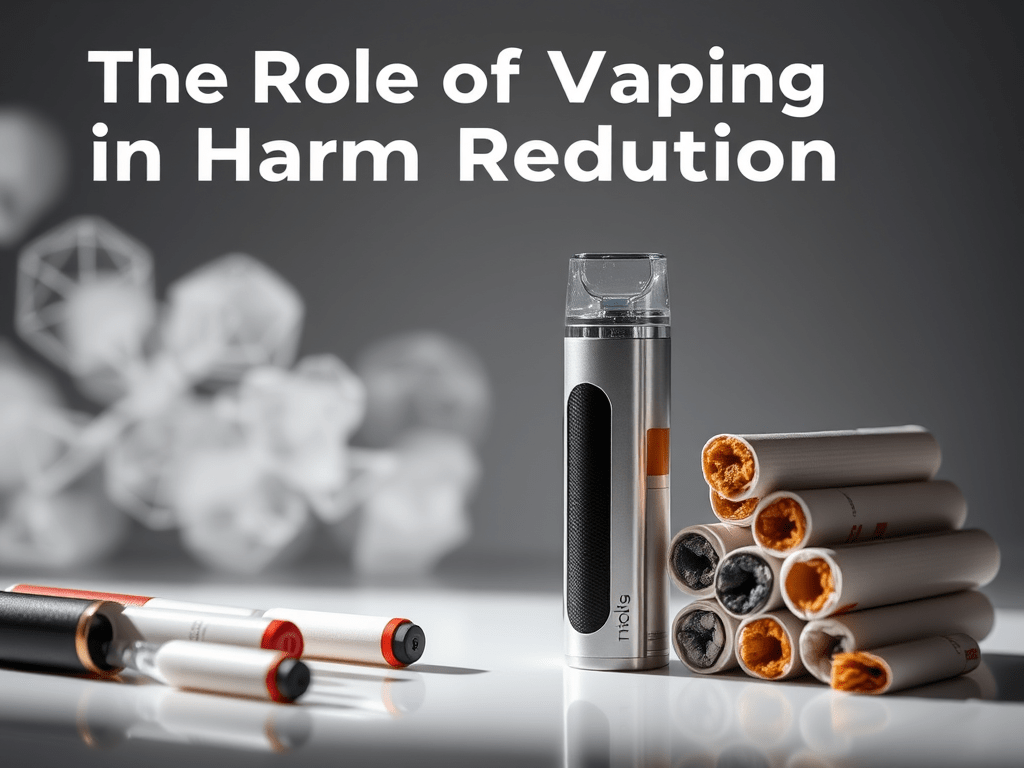
- Focus on harm reduction: Companies may focus on lower-nicotine and plant-based vape options.
- Smart vaping technology: Devices that limit nicotine consumption automatically or track usage habits.
- Premium products: As cheap disposables face bans, durable, refillable, and premium vapes could dominate the market.
Interestingly, many vapers are migrating to harm reduction alternatives that offer more natural experiences. This mirrors the trend among users seeking zero nicotine vapes to avoid regulatory headaches and health risks.
Conclusion
Vaping in 2025 faces a critical crossroads. New bans and restrictions will reshape the way vapers buy and use products, forcing innovation and adaptation across the board. Consumers and retailers alike must stay informed and flexible to thrive in this new era. Governments are tightening controls to protect public health, but passionate vapers and entrepreneurs will continue finding ways to keep the culture alive — much like other industries that faced heavy regulation and still thrived.
For now, it’s smart to stay up-to-date with regional laws, choose trusted brands, and explore alternatives if needed. Whether you’re a casual user, a hobbyist, or someone considering vaping to quit smoking, understanding these changes is key to navigating 2025 smoothly.
At the end of the day, vaping is about personal choice and responsibility. By staying informed, the community can ensure that vaping remains an option for adults without falling into the traps of misinformation or fear-based policy. It’s a balancing act — one that demands attention, advocacy, and a little bit of strategic thinking, similar to how both tech and lifestyle industries adapt to evolving regulations.





 Vape Chronicle
Leave a comment