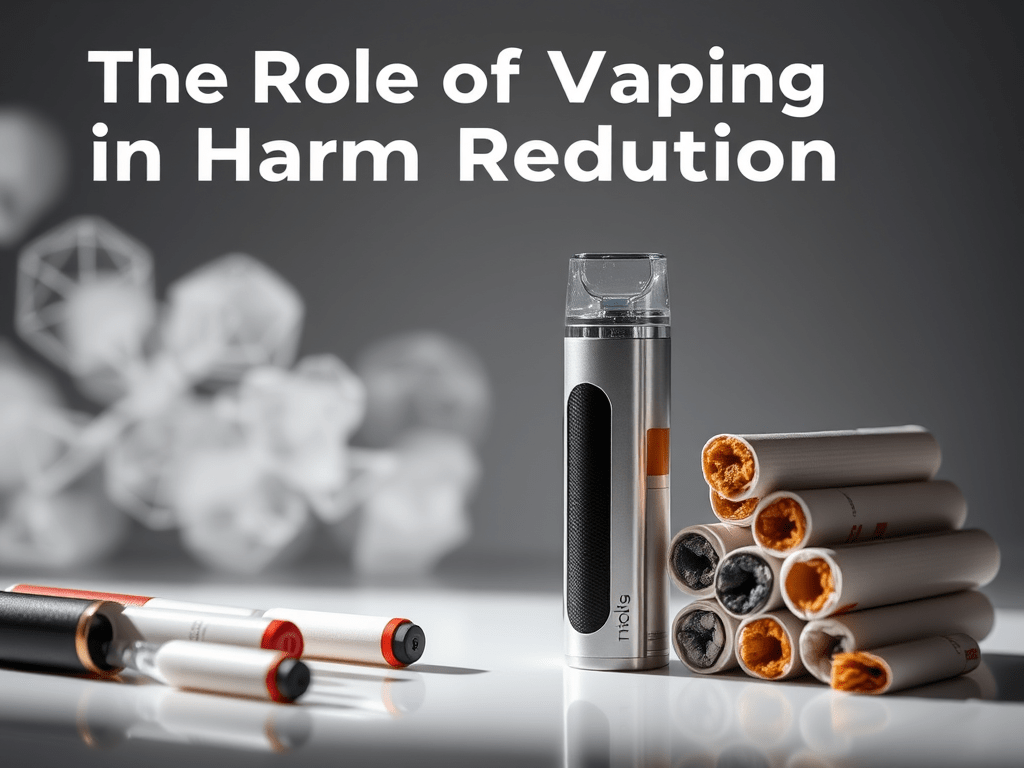
In the evolving conversation around public health, harm reduction has become one of the most debated strategies for addressing risky behaviors such as smoking, substance use, and unsafe practices. The central idea is simple yet profound: if total abstinence is unrealistic for some individuals, reducing the harm associated with the behavior can still save lives and improve health outcomes. This philosophy has shaped policies worldwide, from needle exchange programs to nicotine replacement therapies. According to the Centers for Disease Control and Prevention (CDC), tobacco remains one of the leading causes of preventable disease and death globally, underscoring why understanding harm reduction is vital to future health policy.
Defining Harm Reduction in Public Health
Harm reduction refers to policies, programs, and practices aimed at minimizing the negative health, social, and legal impacts associated with risky behaviors. Rather than focusing solely on cessation or punishment, harm reduction strategies acknowledge that people may continue certain behaviors and seek to make those behaviors safer.
This approach is often controversial because it can appear to condone the behavior it seeks to make safer. However, its effectiveness has been demonstrated in multiple areas of public health. For instance, needle exchange programs have significantly reduced the transmission of HIV and hepatitis C among people who use injectable drugs. Similarly, supervised consumption sites provide safer environments that have been shown to lower overdose deaths.
The key principle behind harm reduction is pragmatism. Instead of expecting perfect compliance with health recommendations, it meets individuals where they are. This means offering options that reduce harm even when complete abstinence is not achieved. In the case of tobacco, this principle has fueled discussions around alternative nicotine delivery systems such as nicotine patches, pouches, and vaping.
The Balance Between Safety and Realism
One of the challenges of implementing harm reduction is balancing safety with realism. Health authorities must weigh whether a potentially less harmful product or behavior still carries enough risk to warrant caution. For example, while nicotine itself is addictive, it is not the primary cause of smoking-related diseases—the burning of tobacco and inhalation of tar and toxic gases are. Therefore, products that eliminate combustion while still delivering nicotine might provide a safer alternative.
Current Research on Smoking vs. Vaping
Scientific studies comparing smoking and vaping have increased substantially over the past decade. The consensus from many peer-reviewed studies is that while vaping is not risk-free, it is likely far less harmful than smoking combustible cigarettes.
Evidence from Major Health Organizations
Public Health England (now part of the UK Health Security Agency) has repeatedly stated that vaping is significantly less harmful than smoking—by as much as 95 percent according to their landmark 2015 review, reaffirmed in subsequent reports. Their findings were based on chemical analyses showing that e-cigarette aerosols contain fewer and lower concentrations of toxic substances than cigarette smoke.
In contrast, the World Health Organization (WHO) takes a more cautious stance, emphasizing that the long-term effects of vaping remain unknown and warning against youth uptake. The WHO’s position underscores that while vaping may play a role in harm reduction for adult smokers, it must be carefully regulated to avoid creating a new generation of nicotine users.
Comparing Chemical Exposure
Research from multiple studies has demonstrated that the levels of carcinogens and toxicants in e-cigarette vapor are dramatically lower than in cigarette smoke. For example, a study published in the journal Addiction found that users who switched from smoking to vaping had reduced levels of key toxicants in their blood and urine after just a few weeks. These reductions mirror what has been observed when smokers switch to nicotine replacement therapies, suggesting that the harm reduction potential of vaping may be real and measurable.
Behavioral and Psychological Considerations
Beyond chemistry, there is also a behavioral dimension. Many smokers struggle with the physical and psychological habits tied to smoking—holding a cigarette, inhaling, exhaling, and taking breaks during the day. Vaping replicates some of these behaviors, which may explain why it has higher adherence rates than other cessation methods. This could make vaping a more practical harm reduction tool for some smokers who have failed to quit through other means.
Interestingly, lifestyle trends have also influenced public perceptions of vaping. It has become part of various social settings, from coffee breaks to music festivals. Some people even include vaping in their travel or relaxation routines, viewing it as part of their personal comfort kit. This cultural shift is reflected in brands like EBCreates, which has become a recognizable name among adult users seeking an alternative to traditional smoking.
Opposition and Support Within the Scientific Community
The debate over vaping and harm reduction is far from settled. Within the scientific community, opinions differ sharply depending on how the data is interpreted and which public health priorities are emphasized.
The Case for Support
Supporters of vaping as a harm reduction tool argue that the data strongly indicate a reduction in health risks compared to smoking. They point to declines in cigarette sales and smoking prevalence in countries where vaping has become widespread. For example, the United Kingdom has embraced e-cigarettes as part of its national tobacco control strategy, citing the potential to help millions of smokers quit.
These proponents often highlight that denying or restricting access to safer alternatives can inadvertently keep smokers on cigarettes, which remain far more dangerous. They advocate for regulations that ensure product safety and prevent youth access without stigmatizing adult users seeking to reduce harm.
The Case for Opposition
Critics, however, raise valid concerns about the unknown long-term effects of vaping. Since e-cigarettes have only been widely available for about 15 years, there is not yet sufficient data to assess the impact of decades-long use. Opponents also warn about aggressive marketing tactics that could appeal to non-smokers, especially teenagers, potentially leading to nicotine addiction rather than harm reduction.
The lack of global regulatory consistency further complicates the issue. Some countries have banned vaping entirely, while others promote it as a public health tool. The result is a patchwork of policies that make it difficult to conduct standardized international research.
Bridging the Divide
The best path forward may lie somewhere in the middle. Most experts agree that adult smokers who cannot or will not quit should have access to lower-risk alternatives, while youth and non-smokers should be protected from exposure and marketing. Transparent labeling, independent testing, and continued research can help achieve both goals.
Where the Debate Stands in 2025
As of 2025, harm reduction remains a cornerstone of many national health strategies, particularly in the context of tobacco control. Governments and organizations continue to assess how vaping fits within this framework.
Policy and Regulation Trends
Many countries are now taking a “regulated acceptance” approach, recognizing vaping’s potential benefits for adult smokers while tightening restrictions on flavors, packaging, and advertising to deter youth use. In the United States, the Food and Drug Administration (FDA) has been evaluating premarket applications for e-cigarettes, approving only those that demonstrate a net benefit to public health.
Meanwhile, the European Union and the United Kingdom maintain a more structured regulatory framework, requiring quality control and clear labeling of ingredients. These measures are designed to strike a balance between access and safety.
The Future of Harm Reduction Research
Looking ahead, scientists are calling for more longitudinal studies to understand vaping’s true long-term effects. Future research will likely focus on cardiovascular outcomes, respiratory health, and potential interactions with other risk factors. The goal is to move beyond short-term biomarker studies and establish a comprehensive picture of vaping’s role in harm reduction.
At the same time, public health communication must evolve. The conversation around vaping and harm reduction cannot remain polarized. It requires nuance, transparency, and a willingness to adapt as new evidence emerges.
A Measured Perspective
Harm reduction is not about promoting risky behaviors. It is about acknowledging reality and working within it to save lives. Whether in drug use, sexual health, or tobacco control, the evidence shows that pragmatic strategies often yield the best outcomes. As we enter a new era of public health innovation, open-mindedness and scientific rigor must guide policy decisions.
In this context, vaping may represent one of the most significant opportunities—and challenges—of modern harm reduction. As the National Institutes of Health (NIH) continues to fund independent studies, the world will gain a clearer understanding of where vaping truly stands in the hierarchy of risk. Until then, the discussion remains dynamic, driven by the shared goal of reducing preventable harm and improving global health outcomes.






 Vape Chronicle
Leave a comment