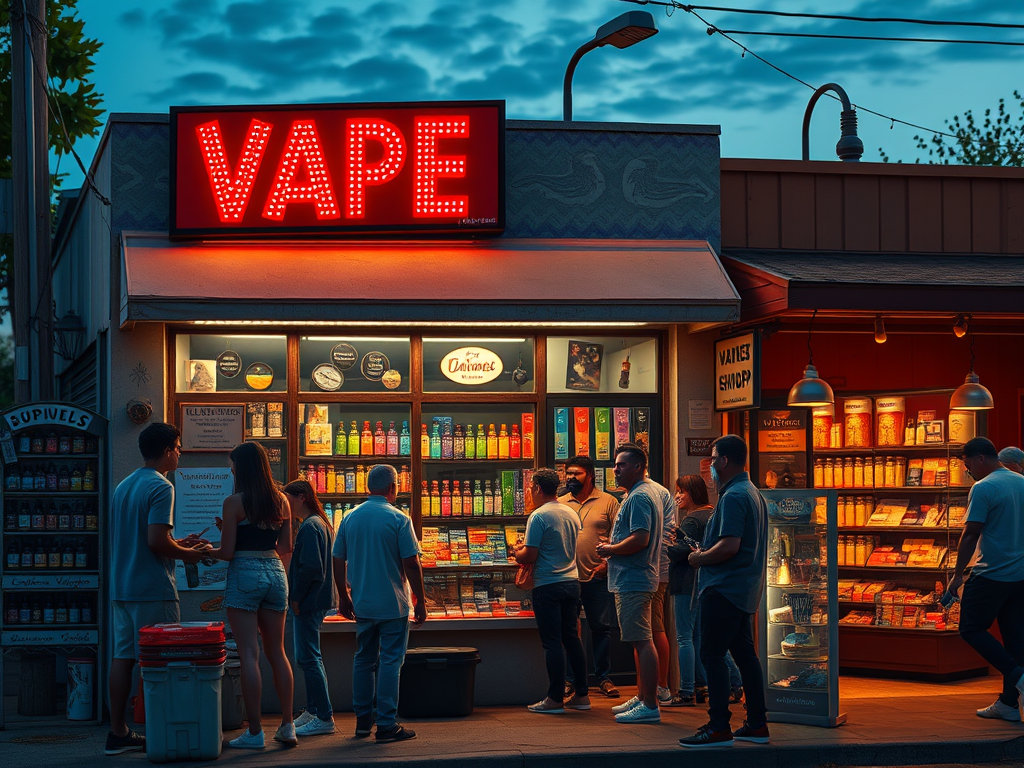
The retail landscape for vaping products is changing rapidly, particularly in small towns where local governments have more freedom to shape specific rules. While federal and state-level laws often dominate headlines, the most immediate effects for shop owners and customers are being felt at the local level. According to the National Association of Counties, municipalities have wide authority to regulate retail practices, and this has led to a patchwork of policies that differ from one town to the next. For vape retailers and consumers alike, these shifting dynamics are reshaping how products are bought, sold, and even perceived in communities outside of major cities.
New Restrictions by Local Governments
Small towns often face unique pressures when regulating vape retail. Local councils, health boards, and community groups frequently push for tighter rules as a way to address youth access or public health concerns.
Some of the most common local restrictions include:
- Limiting the number of vape shops within town limits.
- Imposing strict zoning laws to keep stores away from schools, parks, or religious buildings.
- Adding licensing fees that are higher than in larger cities.
An anonymous shop owner from a rural town in Ohio explained, “It feels like every month there is a new form to file or a new restriction to follow. We want to stay compliant, but it’s getting harder when the rules keep changing.”
These measures may feel small in isolation, but for smaller communities with only a few retailers, the impact is significant. Some owners have even had to close because of rising compliance costs.
Bans on In-Store Sampling and Promotions
One of the biggest changes in small-town vape retail has been the banning of in-store sampling. In urban areas, sampling lounges or designated areas for product trials have long been part of the shopping experience. In small towns, however, new ordinances often prohibit any form of tasting or demonstration.
Without the ability to sample, customers are left guessing about flavors, which can deter first-time buyers. Retailers have attempted to adapt by:
- Offering detailed flavor charts and customer reviews.
- Providing sealed sample packs that customers can purchase at a discount.
- Organizing off-site educational events where rules are less strict.
Promotional events have also been curtailed. In some towns, even displaying posters or running local ads for flavored products has been restricted. This creates a gap between how shops in larger cities operate compared to their small-town counterparts.
Retail Adaptation Strategies
Despite these challenges, vape shop owners in smaller communities are finding ways to adapt. Innovation and creativity have become essential tools for survival.
Emphasizing Community Relationships
Many shop owners are leaning into the close-knit nature of small towns. By building strong relationships with customers, offering personalized recommendations, and creating loyalty programs, stores can offset the lack of flashy promotions.
Expanding Product Variety
Another adaptation is diversifying product offerings. Some shops are blending vape retail with other categories like coffee, lifestyle products, or even wellness items. This strategy helps cushion the impact of local restrictions on vaping-specific sales.
Shifting to Online Presence
Retailers are increasingly building stronger online platforms. A midwestern shop owner noted, “We rely on our website now more than ever. Locals know they can browse products online and just pick up what they need in-store.”
This hybrid model helps keep customers engaged while maintaining compliance with local advertising restrictions. Resources like The Food and Drug Administration provide updates that help store owners navigate these shifting rules and prepare their digital strategies accordingly.
Online Buying as a Legal Workaround?
With the growth of e-commerce, many customers in small towns are turning to online purchases. For some, this is not only convenient but also a way to avoid local restrictions.
Consumer Perspectives
Customers who are accustomed to browsing and sampling in bigger cities may feel frustrated by limited options at home. As a result, online platforms become the natural alternative. Some even combine errands with browsing on their phones, purchasing vaping products alongside other essentials. It’s a lifestyle shift that mirrors how consumers buy everything from clothing to electronics. During these casual shopping moments, it isn’t unusual for someone to mention trying something new like Elf Bar Vapes while also discussing other daily purchases.
Legal Complexities
The question is whether online buying is always a viable legal workaround. Some states have enacted shipping restrictions or age verification requirements that complicate the process. For small-town residents, this creates uncertainty. They may have access to products online, but the legality of those purchases varies depending on where they live.
Hybrid Models
Retailers are testing hybrid solutions, such as click-and-collect services or subscription-based offerings that comply with age verification laws. These approaches help maintain local customer bases without entirely relying on in-person browsing.
Conclusion: The Future of Vape Retail in Small Towns
The evolution of vape retail in small towns is far from over. As regulations continue to shift, retailers will need to remain flexible, finding ways to balance compliance with customer expectations. Some may focus on creating stronger in-person experiences despite sampling bans. Others may lean heavily into digital strategies and alternative product mixes.
For consumers, the challenge is navigating a landscape that varies dramatically from one town to the next. Those in rural areas may find themselves with fewer in-person options and increasing reliance on online alternatives.
Ultimately, the way vape retail adapts in small towns will provide insight into the broader relationship between local governance and consumer choice. The story is still being written, but one thing is certain: local communities are playing an outsized role in shaping the future of this industry. To understand how these policies may evolve further, readers can explore the role of public health law in guiding decisions at the community level.





 Vape Chronicle
Leave a comment