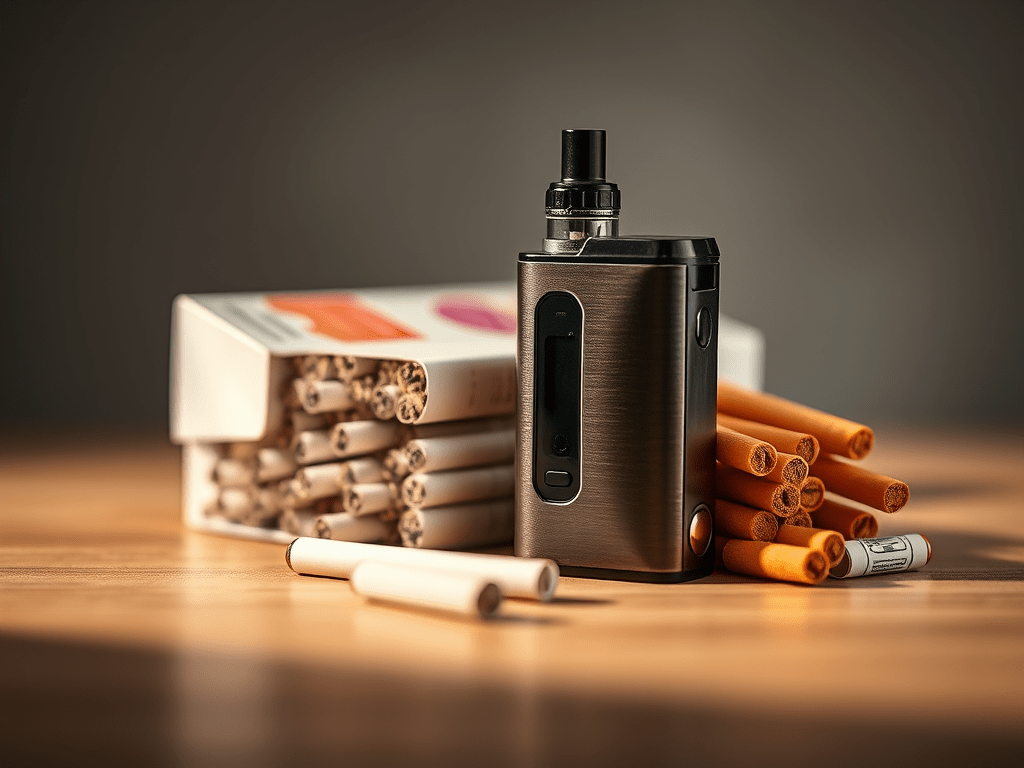
Making the switch from smoking to vaping can feel overwhelming, but with the right approach, it becomes a manageable and even empowering journey. Many smokers have successfully made the transition and found that vaping provides a smoother path away from tobacco. Understanding nicotine strengths, building mental resilience, and learning practical strategies are key steps. Resources like the Centers for Disease Control and Prevention also highlight the importance of choosing healthier alternatives to smoking, showing that quitting does not have to be abrupt to be effective.
Understanding Nicotine Strengths
One of the most crucial steps in transitioning is choosing the correct nicotine strength. Smokers often worry about whether vaping will satisfy their cravings, and nicotine level plays a central role here.
Nicotine levels in e-liquids are typically measured in milligrams per milliliter (mg/ml). For a heavy smoker, starting with higher nicotine strengths may help mimic the effect of traditional cigarettes. On the other hand, lighter smokers may prefer lower strengths to avoid discomfort.
Finding Your Ideal Level
- Heavy smokers (more than a pack per day): Often begin with higher levels, such as 18–24 mg/ml.
- Moderate smokers (half a pack per day): Typically start around 12–18 mg/ml.
- Light smokers or social smokers: Can start at 6 mg/ml or even lower.
The idea is to gradually reduce nicotine intake over time. Just like stepping down from full-flavor cigarettes to lighter ones, lowering nicotine levels in e-liquids can ease the body into reduced dependence.
Psychological and Physical Adjustments
Transitioning is not just about nicotine; it is also about habits, routines, and mental associations built around smoking. Lighting a cigarette, holding it, and inhaling are rituals deeply connected with stress relief and socializing. Replacing these rituals takes effort.
Coping With Cravings
Nicotine cravings can trigger stress or irritability. Planning ahead helps manage these moments:
- Keep healthy snacks or sugar-free gum nearby.
- Use short breathing exercises to handle immediate urges.
- Stay hydrated, as water reduces withdrawal effects.
Shifting Your Mindset
Adopting a mindset of progress rather than perfection is crucial. Slipping up does not mean failure; it is simply part of the process. Many people need multiple attempts to fully quit smoking. Recognize small victories, like going an entire morning without lighting up, as milestones worth celebrating.
Choosing the Right Starter Device
For beginners, selecting the right device can make all the difference. The market offers a wide range of options, but newcomers often benefit from simple, user-friendly devices rather than advanced setups.
Types of Starter Devices
- Pod Systems: Small, portable, and easy to use. Best for those who want a cigarette-like feel.
- Pen-Style Vapes: Sleek, affordable, and straightforward. Great for those wanting more battery life.
- Box Mods: More advanced, offering customizable power levels, but not usually recommended for complete beginners.
When deciding, consider battery life, ease of use, and how much maintenance the device requires. Midway through the journey, some may choose to try new devices to better fit their lifestyle. For example, a traveler might prefer compact pods, while someone at home may use a device with a larger tank.
Tips for Managing Cravings and Triggers
Cravings can appear suddenly and often revolve around routine. Smokers usually associate specific moments, such as having coffee or finishing a meal, with lighting a cigarette. Rewiring these habits is essential.
Identifying Triggers
Start by tracking when cravings strike. Are they tied to stress? Social situations? Relaxing after work? Once identified, new habits can replace old ones.
Strategies to Reduce Triggers
- Pair coffee with a short walk instead of a cigarette.
- Replace smoke breaks with quick stretching exercises.
- Join supportive communities, both online and in person, for encouragement.
It is worth noting that lifestyle alternatives play a big role in staying motivated. Some people find success by incorporating relaxing hobbies like reading or music. Others may use a small reward system, saving the money that would have gone to cigarettes and putting it toward something enjoyable. Even something subtle like using a Lost Mary Vape device during downtime can create a smoother transition by providing a healthier alternative to the familiar hand-to-mouth action of smoking.
Building a Long-Term Plan
Switching from smoking to vaping is not just a one-time decision but an ongoing process. Over time, the goal is to reduce nicotine dependence and eventually minimize vaping if desired.
Practical Long-Term Steps
- Start with the nicotine strength that matches your current use.
- Gradually step down to lower strengths every few months.
- Replace high-risk smoking triggers with new, healthier habits.
- Keep track of progress through journals or apps designed for quitting.
Having a long-term perspective allows smokers to avoid feeling pressured. Flexibility is key, as each person’s journey will look different.
Conclusion
Transitioning from smoking to vaping successfully requires patience, planning, and self-compassion. By selecting the right nicotine strengths, making psychological adjustments, and managing triggers, smokers can steadily move toward a healthier lifestyle. Choosing beginner-friendly devices and building strong routines along the way adds further support. For continued learning, the National Cancer Institute offers guidance on quitting strategies and long-term health benefits. Whether the journey takes weeks or years, every step forward counts, and success is always possible with the right mindset and tools.




 Vape Chronicle
Leave a comment