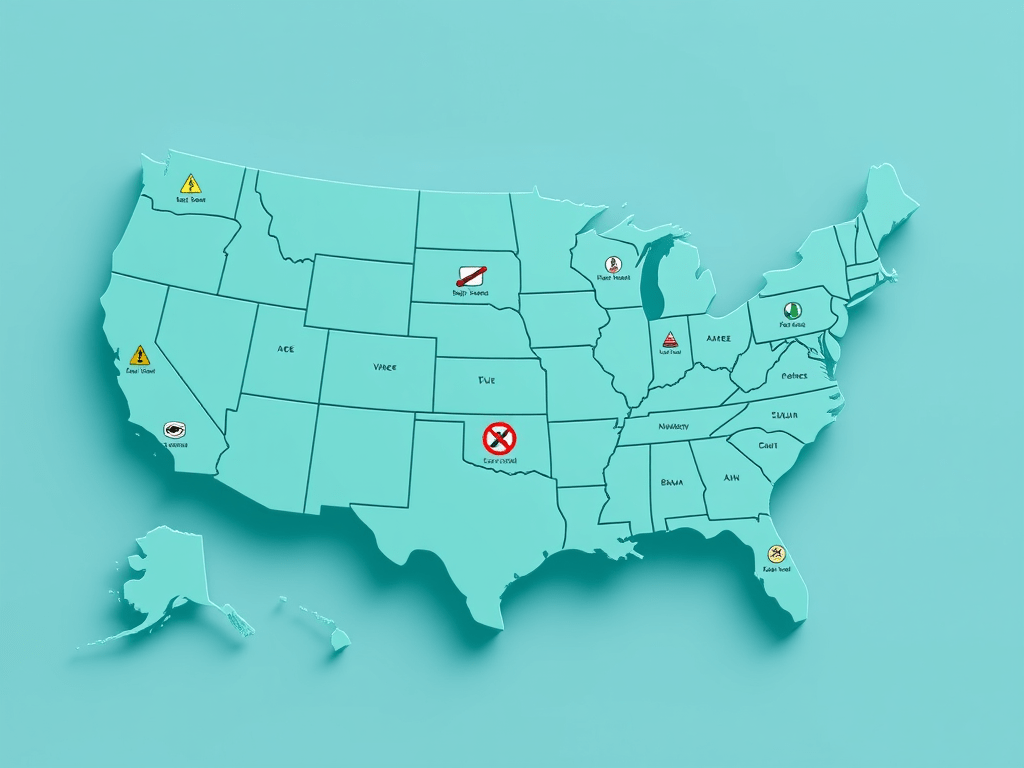
How Vaping Laws Differ Across the U.S.
Vaping regulations in the United States vary significantly by state, creating a complex legal landscape for consumers and retailers alike. While federal guidelines provide overarching rules, individual states and even local jurisdictions impose their own restrictions on sales, usage, and marketing. Understanding these differences is essential for both vapers and businesses to remain compliant. In this article, we’ll break down regional variations, explore the role of federal regulations, compare strict and lenient state policies, and offer guidance on navigating legal compliance.
Regional Variations in Vaping Regulations
Each state has the authority to set its own vaping laws, resulting in a patchwork of regulations across the country. Factors such as public health concerns, taxation policies, and political climate influence how strict or lenient a state’s vaping laws are.
Age Restrictions and Sales Regulations
One of the most universally enforced vaping laws is the minimum purchasing age. The federal government raised the legal age to buy tobacco and vaping products to 21 in 2019, but states enforce this law in different ways. Some require additional verification processes, while others have stricter penalties for underage sales.
- Strict states: California, Massachusetts, and New York require strict ID verification and impose heavy fines for violations.
- More lenient states: In some Southern and Midwestern states, enforcement is less aggressive, with fewer sting operations and lower fines for retailers.
Public Usage Restrictions
Where you can vape also depends on state and local laws. Some states ban vaping in all indoor public places, while others allow it in designated areas or even leave the decision to individual businesses.
- Strictest regulations: Hawaii, New Jersey, and Utah ban vaping in nearly all indoor public spaces, including bars and restaurants.
- More relaxed states: Nevada and Georgia have fewer restrictions, allowing vaping in some public venues.
Flavor Bans
Flavored vape products have been a hot topic in vaping legislation. Some states have imposed complete bans, citing youth prevention, while others allow their sale with limitations.
- States with full flavor bans: Massachusetts, Rhode Island, and New Jersey prohibit flavored vape sales entirely.
- States with partial bans: New York and California allow some flavored products but restrict specific flavors, such as fruit and dessert options.
- No bans: Many states, including Texas and Florida, still permit the sale of flavored vapes.
The Role of Federal Guidelines
While state laws dominate vaping regulations, the federal government has a significant influence through agencies such as the Food and Drug Administration (FDA). The FDA oversees manufacturing, marketing, and sales, setting compliance rules that apply nationwide.
Key Federal Vaping Regulations
- Tobacco 21 Law: Raised the minimum age for purchasing tobacco and vape products to 21.
- PMTA (Premarket Tobacco Product Application): Requires vape manufacturers to submit applications proving their products meet public health standards.
- Marketing restrictions: Federal law prohibits vape companies from making unauthorized health claims or advertising to minors.
- Shipping limitations: The Preventing Online Sales of E-Cigarettes to Children Act bans the U.S. Postal Service from delivering vaping products to consumers, making online sales more challenging.
While federal regulations set broad rules, enforcement is left up to states, leading to inconsistencies in how these laws are applied.
State Examples: Strict vs. Lenient
Each state approaches vaping differently, balancing public health concerns, economic interests, and personal freedoms. Below are examples of some of the strictest and most lenient states when it comes to vaping laws.
Strictest States
California
California has some of the toughest vaping regulations in the country:
- Flavored vape ban in retail stores
- High taxes on vape products
- No vaping in public places including workplaces, parks, and restaurants
- Strict licensing requirements for retailers
Massachusetts
Massachusetts took one of the most aggressive stances by banning all flavored vapes, including menthol. It also enforces strict penalties for illegal sales and imposes some of the highest vape taxes in the country.
Most Lenient States
Texas
Texas has relatively relaxed vaping laws compared to other states:
- No statewide flavor bans
- No restrictions on public vaping beyond general smoking laws
- Lower vape taxes compared to states like California and New York
Florida
Florida remains one of the most vape-friendly states:
- No statewide ban on flavors
- Minimal restrictions on advertising and online sales
- Vaping allowed in many public places where smoking is also permitted
Navigating Legal Compliance as a Consumer
For vape users, understanding state laws is crucial to avoid fines and penalties. Here are some key tips to stay compliant:
1. Know Your State’s Vaping Laws
Before purchasing or using a vape, check your state’s regulations regarding:
- Age restrictions
- Public vaping policies
- Flavor bans
2. Verify Local Regulations
Even within states, cities and counties may impose their own restrictions. For example, while Florida doesn’t have a statewide flavor ban, some local jurisdictions have their own rules.
3. Be Mindful of Travel Restrictions
If you’re traveling across states, be aware that vaping laws differ significantly. What’s legal in one state may be prohibited in another, and carrying banned products could result in confiscation or fines.
Navigating Legal Compliance as a Retailer
Retailers face even greater challenges in complying with ever-changing vaping laws. Here’s how businesses can ensure they follow the rules:
1. Stay Updated on Regulations
- Monitor changes in both state and federal laws.
- Join industry associations or networks that provide legal updates.
2. Implement Strict Age Verification
- Use electronic age verification systems to prevent underage sales.
- Train employees on compliance to avoid costly fines.
3. Comply with Marketing Restrictions
- Avoid advertising that targets minors.
- Follow FDA regulations when promoting products online or in stores.
4. Manage Inventory Carefully
- Keep track of restricted products in different states.
- If selling online, be aware of shipping limitations and age verification requirements.
Conclusion
Vaping laws in the U.S. vary widely by state, creating a complex regulatory environment for both consumers and retailers. While federal guidelines establish a baseline, individual states have the authority to impose stricter rules on sales, usage, and flavors. Understanding these differences is crucial for staying compliant and avoiding legal complications. Whether you’re a vaper or a business owner, keeping up with the latest regulations ensures a smooth and hassle-free experience.



 Vape Chronicle
Leave a comment