
Vaping has become a popular alternative to smoking in recent years, and as the market for e-cigarettes and vaping products continues to grow, so does the scrutiny of the industry. In the United States, the Food and Drug Administration (FDA) plays a crucial role in regulating the sale and use of tobacco and nicotine products—including vapes and e-cigarettes. The goal of these regulations is not only to ensure that vaping products are safe and effective, but also to protect public health, especially as concerns about the impact of vaping on young people continue to rise.
In this post, we’ll dive into the FDA’s vaping regulations, why they were introduced, and why they matter to consumers, manufacturers, and public health as a whole.
What Are the FDA Regulations on Vaping?
The FDA’s role in regulating vaping falls under the authority granted to it by the Family Smoking Prevention and Tobacco Control Act of 2009, which gave the FDA the power to regulate the manufacturing, marketing, and distribution of tobacco products. Over time, the FDA has extended this authority to cover e-cigarettes and other vaping products, bringing them under the same rules and standards that apply to traditional tobacco products.
The key regulations affecting vaping include:
1. Premarket Authorization
– The FDA requires manufacturers of vaping products (e-cigarettes, e-liquids, etc.) to submit their products for premarket authorization before they can be legally marketed. This means manufacturers must demonstrate that their products are appropriate for public health, that they are not appealing to minors, and that they do not present unreasonable risks to users.
– In 2020, the FDA began reviewing thousands of applications from vaping companies that wished to market their products. Only those products that received FDA approval or that were grandfathered in under specific conditions could remain on the market legally.
2. Flavor Restrictions
– In an effort to reduce youth appeal, the FDA has introduced restrictions on certain flavored e-cigarettes. Flavors like fruit, candy, and dessert are believed to attract young people, so the FDA has moved to ban or limit the sale of these products. Menthol, however, remains an exception, and tobacco-flavored e-cigarettes are still allowed.
– These restrictions are part of an ongoing effort to curb the rise in vaping among teens and young adults, whose use of flavored e-cigarettes has skyrocketed in recent years.
3. Warning Labels
– All vaping products are required to include warning labels about the risks of nicotine addiction and the potential for harm to health. The labels must inform consumers that the product contains nicotine, a highly addictive substance.
– This is particularly important for consumers who may not be fully aware of the risks associated with vaping, especially those who use these products to quit smoking.
4. Advertising and Marketing Restrictions
– The FDA regulates how vaping products can be advertised, particularly with regard to targeting minors. Vaping companies are prohibited from using advertising strategies that appeal to youth, such as ads in magazines with a large teen readership, using cartoons, or promoting vapes through social media influencers who appeal to young audiences.
– The goal is to reduce the visibility of vaping among children and teenagers and to stop the normalization of vaping as an acceptable behavior for minors.
5. Online Sales and Age Verification
– The FDA requires all retailers of vaping products to verify the age of consumers who are purchasing e-cigarettes or e-liquids online. The minimum legal age for purchasing vaping products is 21, and retailers must have systems in place to prevent underage sales.
– This regulation aims to limit easy access to vaping products for minors and to ensure that sales are restricted to adults who are of legal age.
6. Good Manufacturing Practices (GMP)
– The FDA has also imposed standards for good manufacturing practices (GMP) to ensure that vaping products are produced in sanitary conditions, are properly labeled, and meet quality standards. This includes testing for contaminants and harmful chemicals in e-liquids and ensuring the correct nicotine content in each product.
Why Are FDA Regulations on Vaping Important?
FDA regulations on vaping are crucial for several reasons, particularly in the areas of public health, consumer protection, and preventing youth access. Here’s why these regulations matter:
1. Protecting Public Health
– Nicotine addiction is a serious concern, especially for young people whose brains are still developing. By regulating the nicotine content and how vaping products are marketed, the FDA aims to prevent non-smokers, particularly teenagers, from becoming addicted to nicotine.
– While e-cigarettes are widely considered less harmful than combustible cigarettes, they are not risk-free. Regulations ensure that consumers are informed about the risks and that the products meet health standards that minimize harm.
– Vaping products can contain harmful chemicals, such as diacetyl, which has been linked to lung disease. Ensuring that e-liquids are tested for safety can help protect consumers from unsafe products.
2. Reducing Youth Access and Appeal
– One of the most pressing concerns with vaping is the rise of use among young people. Studies have shown that teen vaping has reached alarming levels, with many teens citing the appeal of flavored e-cigarettes as a major reason for their use.
– By limiting the availability of flavored products and restricting how these products are marketed, the FDA aims to reduce youth access to vaping and prevent nicotine addiction in young people.
– Additionally, the age verification system for online sales helps curb the ease with which minors can purchase e-cigarettes.
3. Ensuring Product Quality and Safety
– As with any consumer product, there are risks associated with substandard or poorly made vaping devices and e-liquids. By enforcing good manufacturing practices (GMP), the FDA ensures that vaping products are produced safely and meet minimum quality standards.
– Without these regulations, consumers could be exposed to dangerous contaminants, incorrect nicotine levels, or defective products that could harm their health.
4. Informed Consumer Choice
– Warning labels on vaping products provide consumers with crucial information about the health risks of nicotine, including its addictive nature. This allows individuals to make more informed decisions about whether they want to use vaping products.
– Product approval and testing also give consumers confidence that the vaping products they are purchasing meet certain safety standards.
5. Supporting Harm Reduction for Smokers
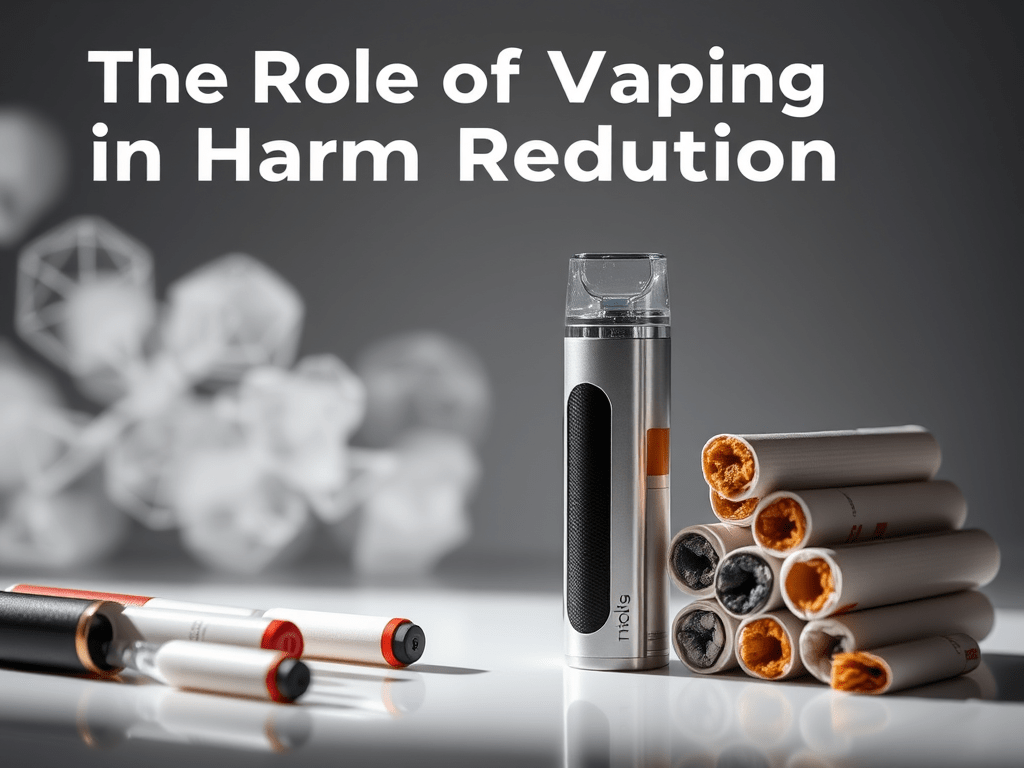
– While the ultimate goal is to reduce smoking rates across the board, vaping is often seen as a harm reduction tool for adults who are trying to quit smoking. By regulating e-cigarettes, the FDA aims to create a safer alternative for smokers who are looking for a less harmful way to consume nicotine.
The Future of FDA Vaping Regulations
As the vaping industry continues to evolve, the FDA will likely continue to adjust its regulations to address new challenges and data. There are ongoing debates about the role of vaping in smoking cessation, the impact of flavors on youth uptake, and the long-term health effects of vaping. The FDA’s role will remain crucial as it works to balance the benefits of harm reduction for adult smokers with the need to protect youth and public health.
Final Thoughts
The FDA’s regulation of vaping products is essential to ensuring that e-cigarettes and related products are marketed, manufactured, and sold in ways that prioritize public health. These regulations are designed to protect consumers—especially youth—by limiting access to harmful products, providing transparency about risks, and ensuring that only safe, high-quality vaping products make it to market.
While the debate surrounding vaping continues, the FDA’s oversight helps guide the industry toward safer and more responsible practices. As more research is conducted and new products emerge, we can expect the regulations to evolve, but one thing remains clear: the goal is to promote a healthier future for all, especially those at risk of nicotine addiction.





 Vape Chronicle
Leave a comment